
Land and Lifestyle
Appreciating the character of the wild coastal landscape of this part of Argyll is essential to understand our communities and unique way of life. You are never far from the sea here, and the winds and rain can be relentless, but this makes the sunny calm days all the more precious. Weather dictates what can and can’t be done. Human impact on our land has been kinder than in most of the UK – even most of Scotland. Wild flowers cluster thickly along the verges in a diversity that would make them worthy to be nature reserves elsewhere, and many charismatic and rare animal and bird species are commonplace. It is wild and it is remote: when driving and cycling here, you can only travel along many miles of winding single-track roads that locals are used to finding impassable due to flooding from time to time, and that are not suited to heavy tourist traffic.
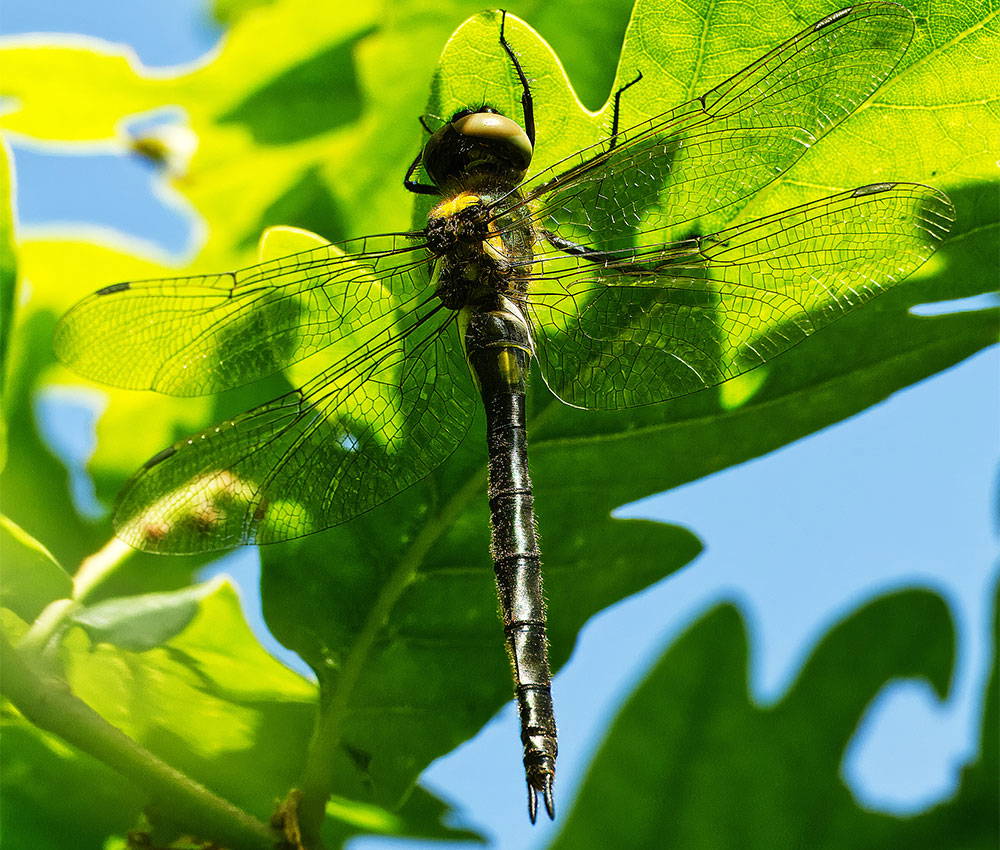
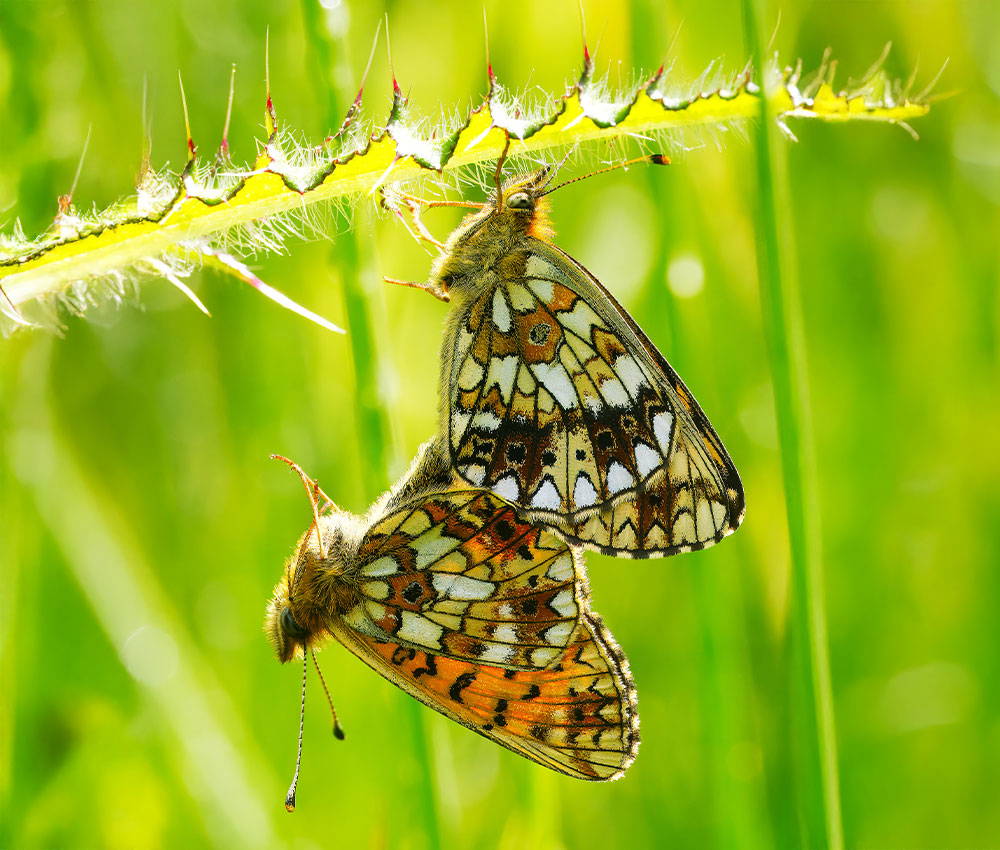
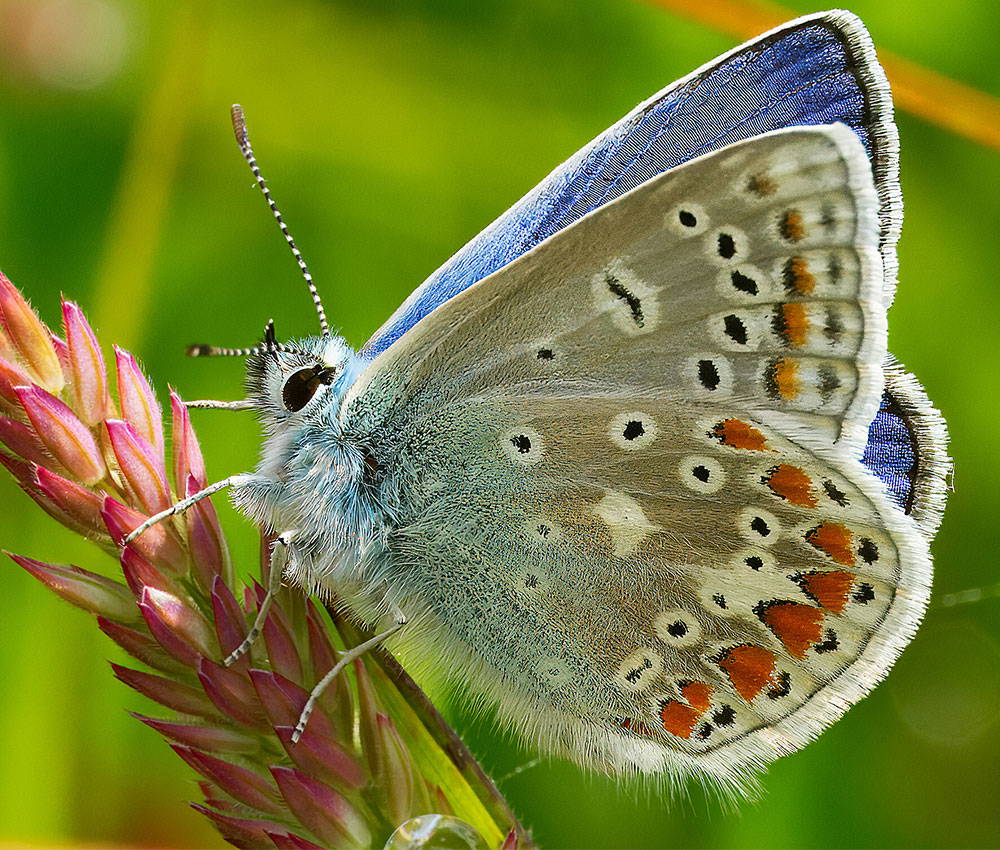
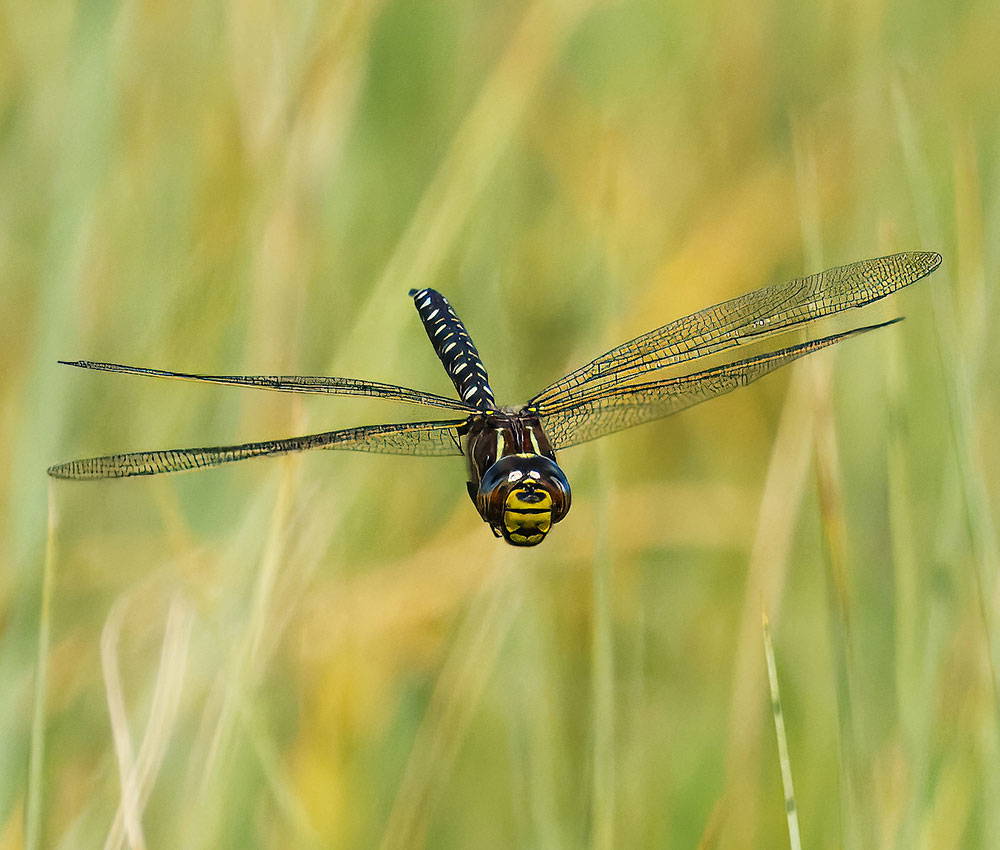
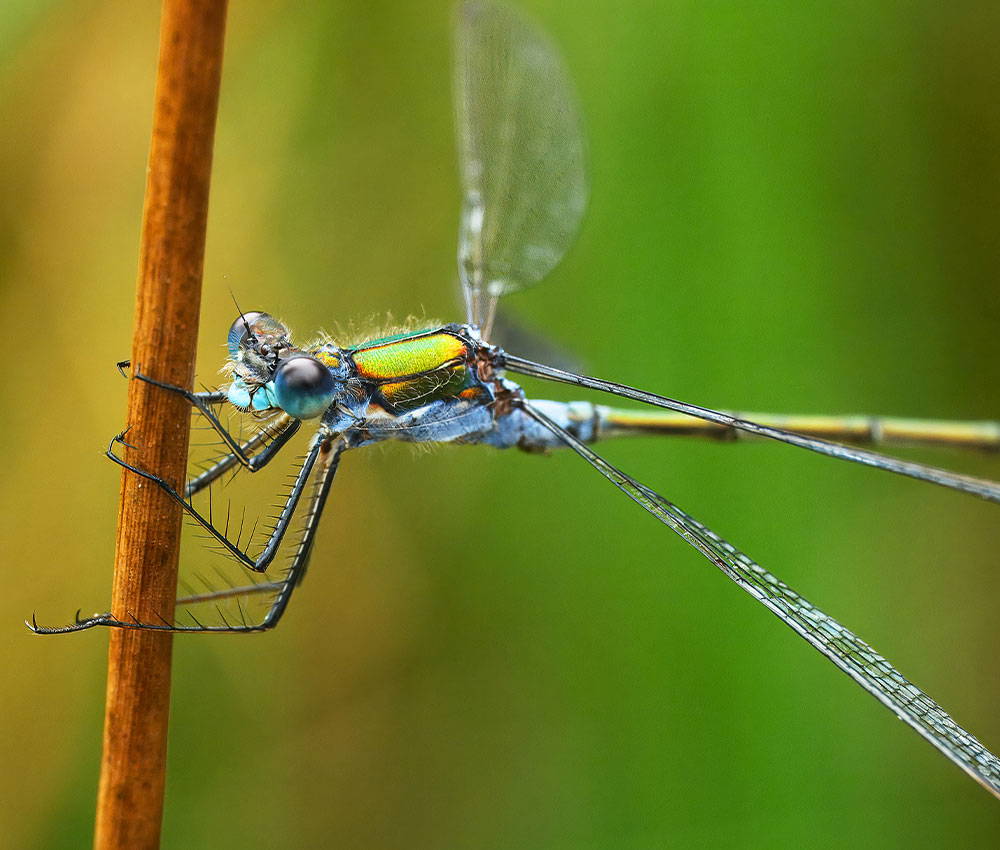
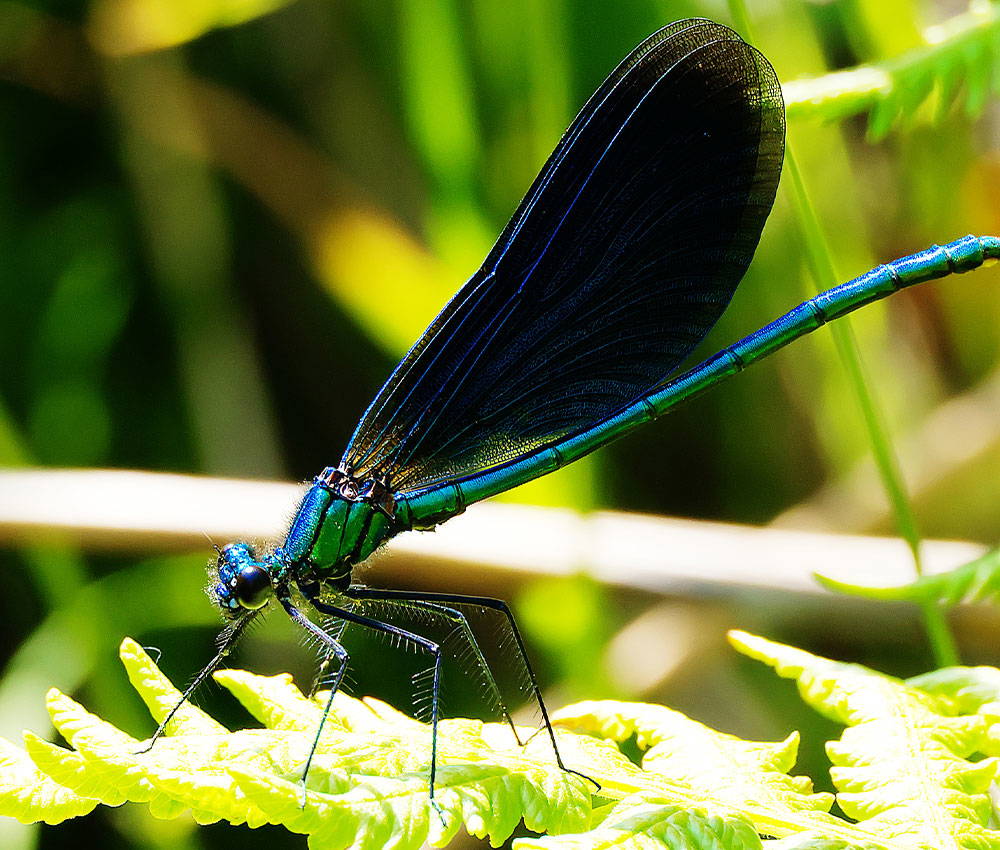
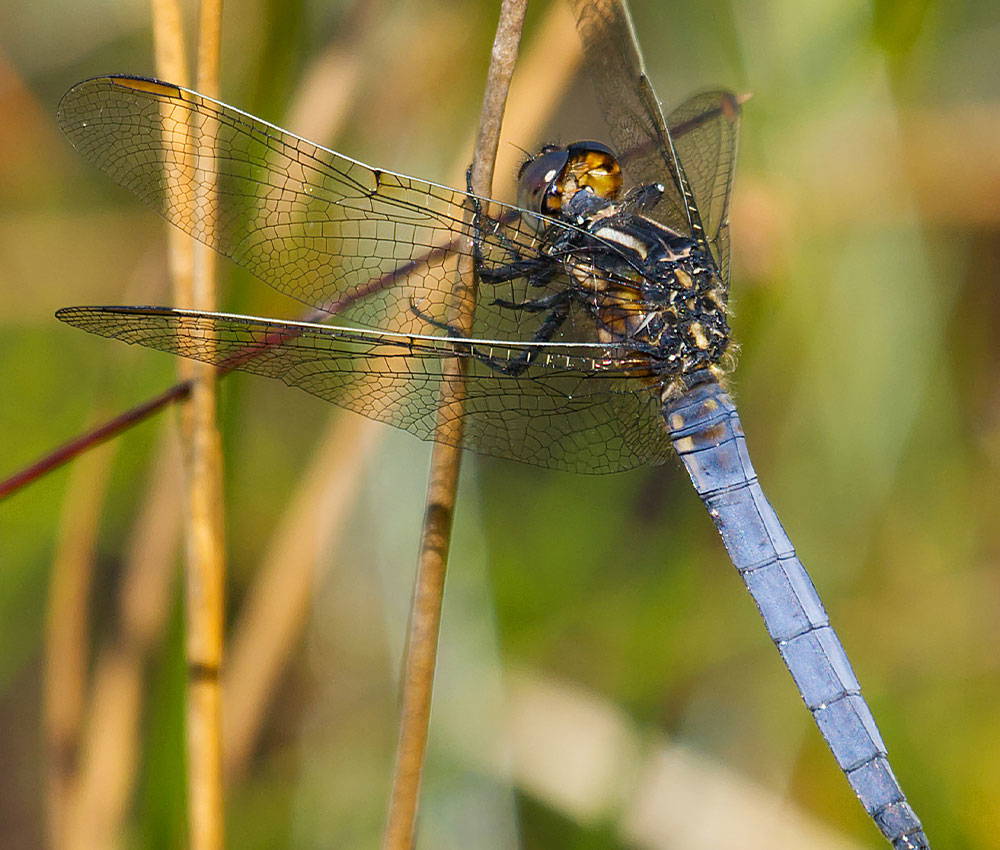
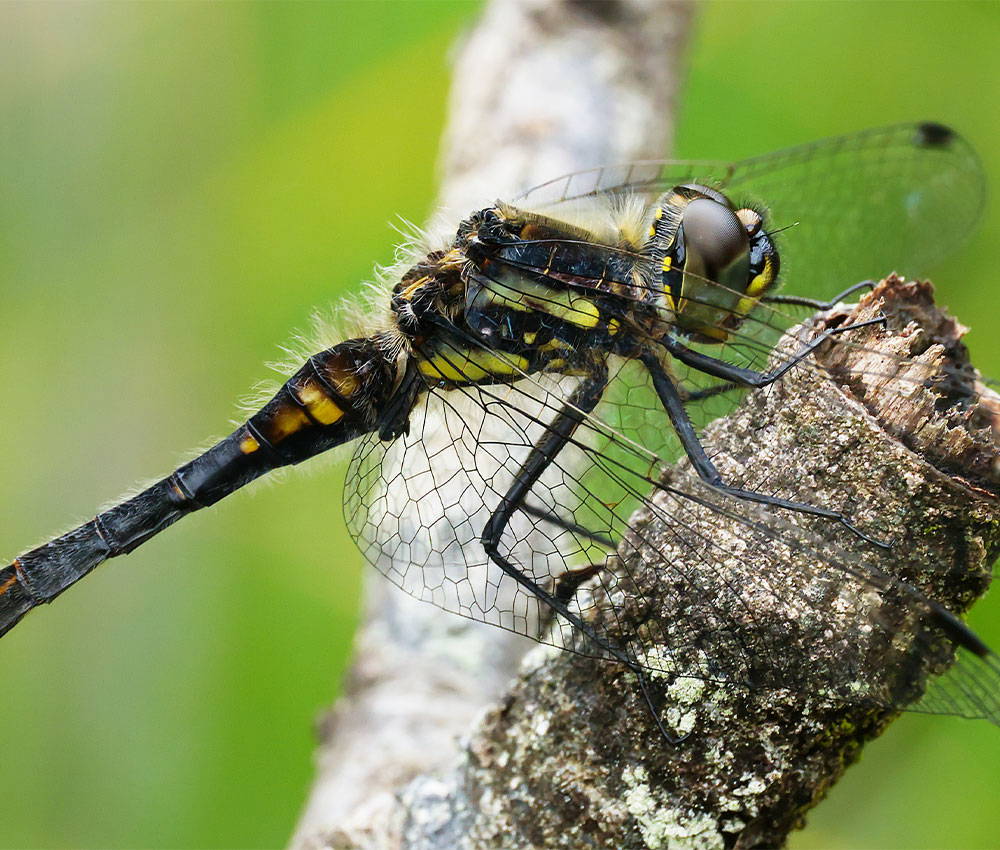
The small settlements of Tayvallich and Carsaig in Mid Argyll are arranged around two bays, north-west and south-east facing, and along the narrow strip of low-lying land or “isthmus” that connects them. Taigh a’ Bhealaich, the original Gaelic name for Tayvallich, means “house of the pass”. This part of Mid Argyll is called Knapdale, named for its distinctive landforms of knaps or ridges, that are not high but often steep, interrupted by long narrow glens (dales) and lochs. It is designated a National Scenic Area. Much of the land south of the village and significant parts of the surrounding sea carry statutory and other designations designed to protect their importance for wildlife. (Photographs courtesy of Steve Carter.)
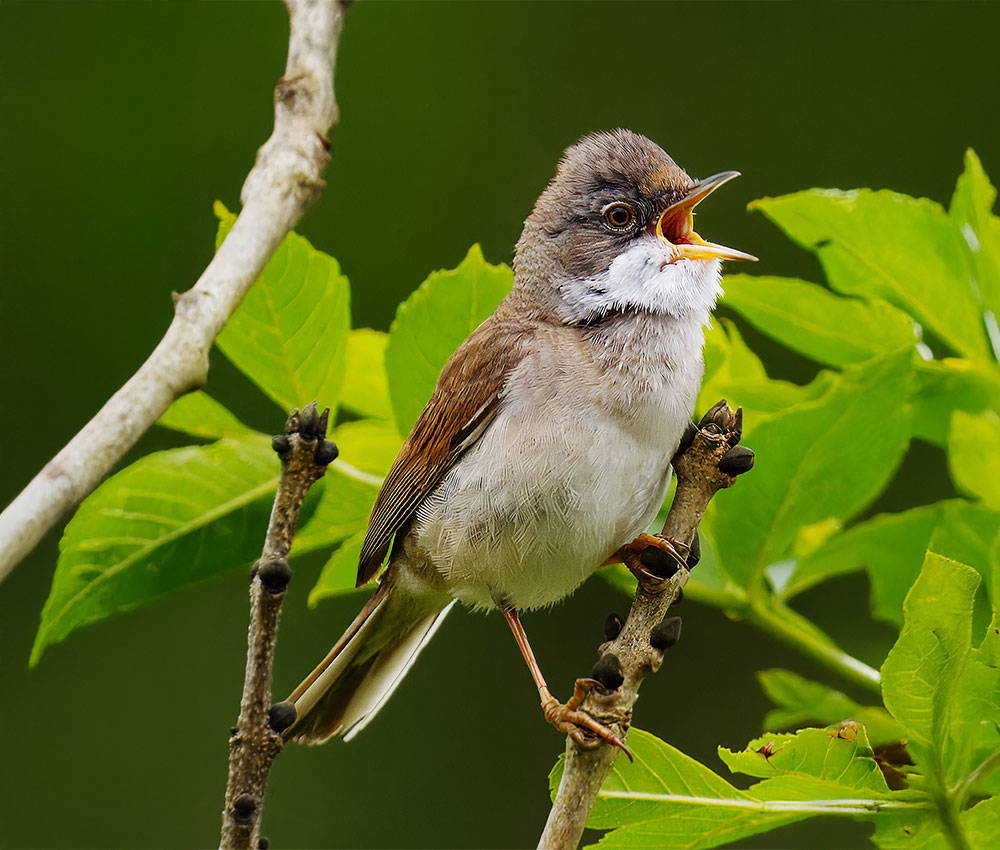
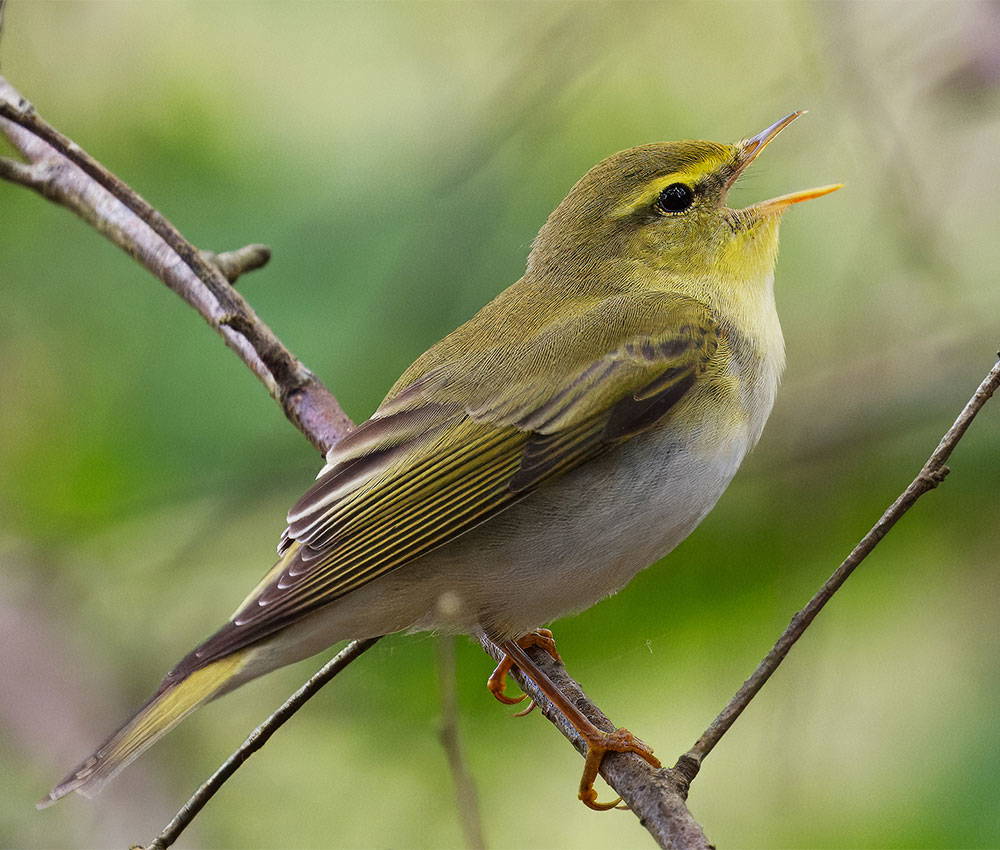
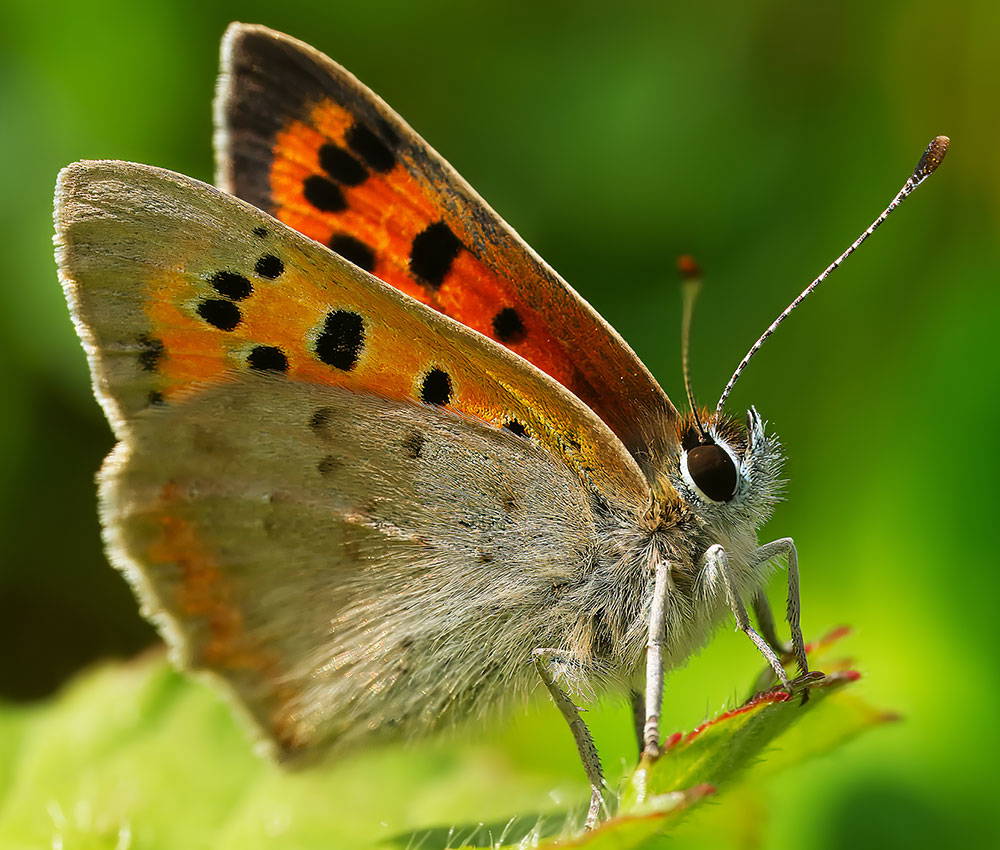
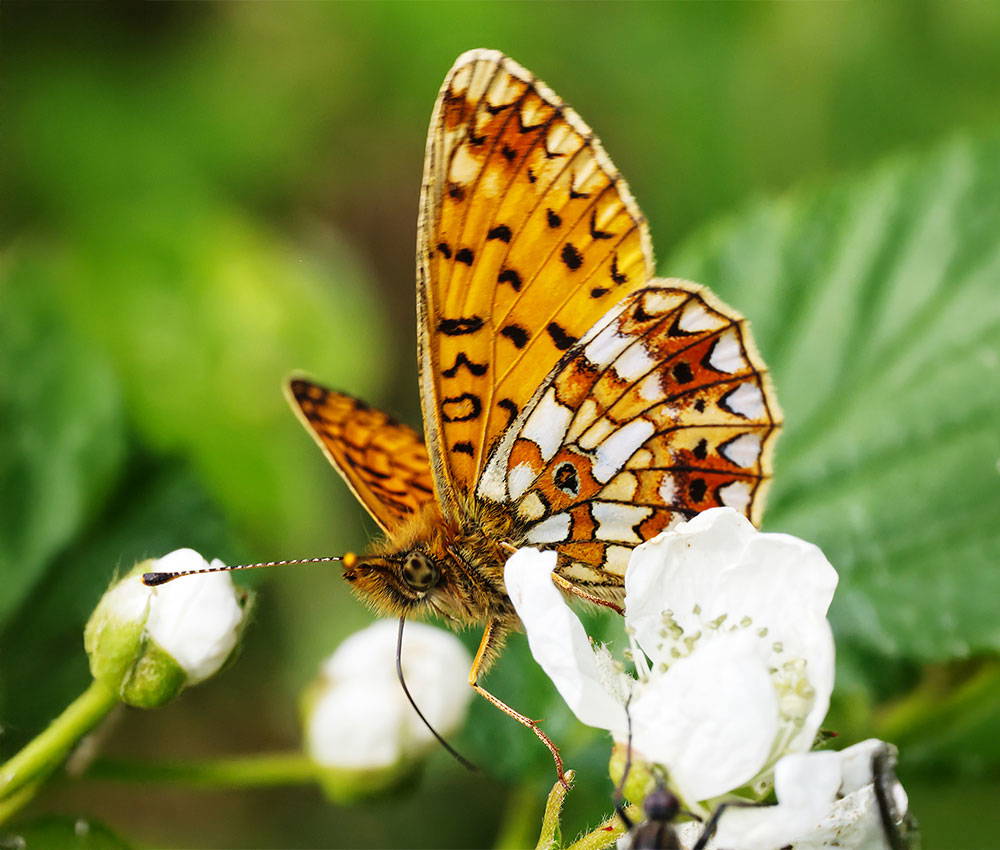
Our community, our land
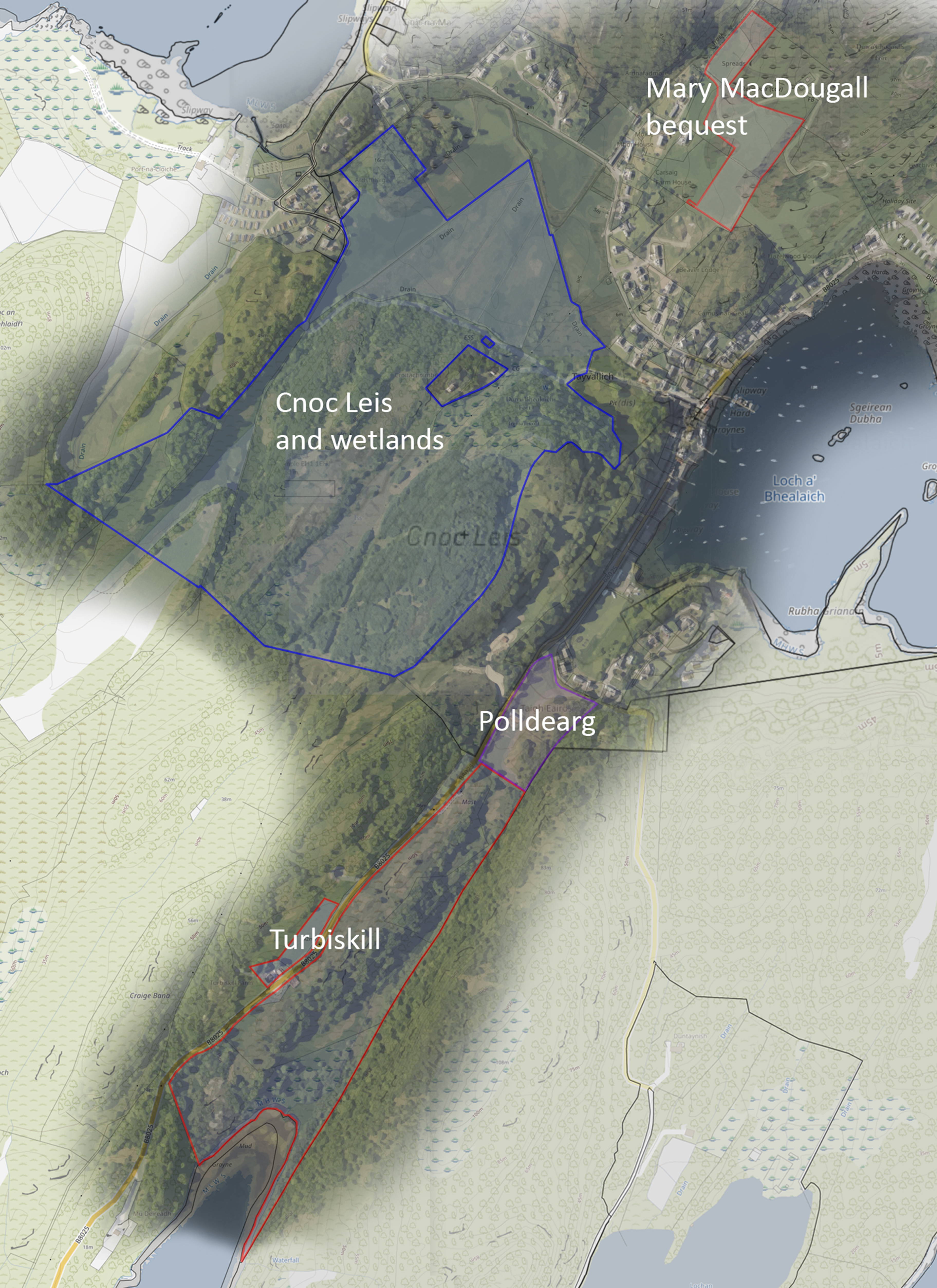
Tayvallich Initiative (TI) owns and manages several different areas of land on behalf of the community: Cnoc Leis Community Land which is about 100 acres (40 hectares) in size; Turbiskill land (about 30 acres; 12 hectares); Turbiskill Farmhouse with an adjacent paddock, the Mary MacDougall bequest (ca 5 acres; 2 hectares) and Polldearg (3 to 4 acres; 1–2 hectares) that wraps around Taigh Eairdsidh.
Click here to read excerpts from Cnoc Leis Community Land Conservation Management Plan, and for a link to the full plan
Cnoc Leis Community Land, named for the hill that forms its highest point, is a fascinating area of diverse habitats including wetland, drier grassland and woodland of about 100 acres in size just south of the villages of Tayvallich and Carsaig in Mid Argyll. It was gifted by the then owners of Tayvallich Estate to Tayvallich Initiative Ltd, that acts on behalf of the local community, when the rest of the estate was sold in 2022. For brevity, the site will be referred to here as Cnoc Leis.
The main access to and through Cnoc Leis is the unmetalled Old Carsaig Road or Track that runs from the top of the car park opposite the Tayvallich shop towards the houses and caravan park on the south side of Carsaig Bay.
Much of Cnoc Leis lies within the Tayvallich Juniper and Fen Site of Special Scientific Interest (SSSI) and the Tayvallich Juniper and Coast Special Area of Conservation (SAC). The special natural features of the SSSI are upland oak woodland, juniper scrub, valley fen and dragonfly assemblage, and those of the SAC are juniper on heaths and calcareous grassland, Marsh Fritillary butterfly, and Otter. The rare Northern Emerald Dragonfly has recently been recorded here.
Cnoc Leis has a surprisingly rich diversity of habitats, ranging from birch woodland and fragments of rainforest, to acid-loving heaths and more calcareous grassland and mires, plus scattered juniper, pools, burns, cliffs, and rocky knolls. About half of the land is wooded. In several places there are patches or narrow strips of very different habitats side by side, unfenced, yet with a remarkably abrupt transition from one to another. The special habitats for which the SSSI and SAC have been designated are juxtaposed here at a very fine scale that is probably unique within the UK.
Argyll is one of the remaining UK strongholds for an internationally important and threatened type of woodland – Scotland’s rainforest, also known as Atlantic woodland or Celtic rainforest, where high rainfall and relatively mild winters create the perfect habitat for a wide range of rare bryophytes and lichens. Tayvallich Initiative is part of a network of local and wider initiatives that are aiming to protect, connect and increase areas of rainforest and this is something we hope to do over time on our land, where this does not conflict with management for other special habitats and species.
The full plan can be read via this link: Cnoc Leis Community Land Conservation Management Plan
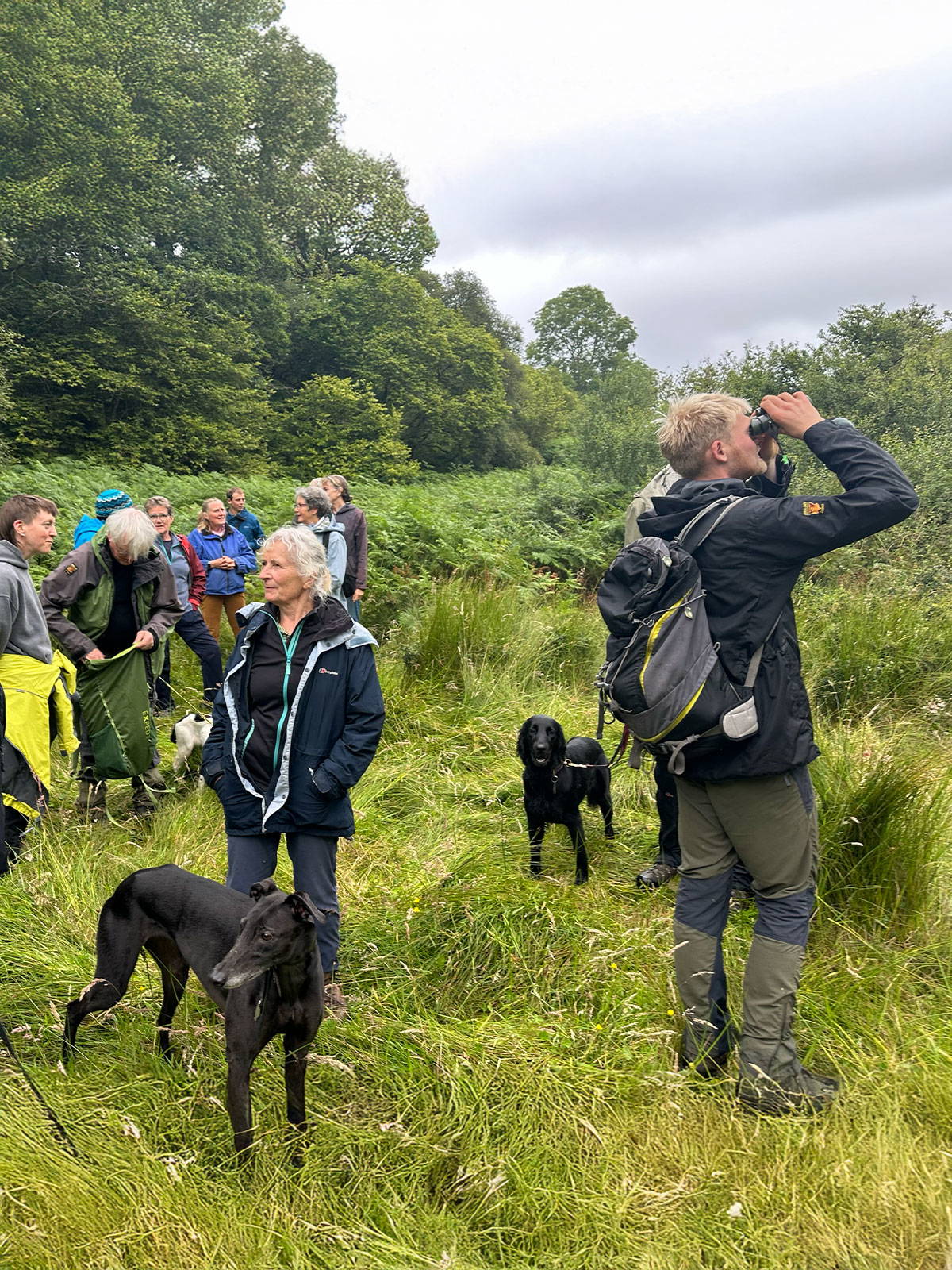
Informal paths that cross Cnoc Leis have for a long time been regularly used by some local people, but even in the village its full extent has remained unexplored by most of us. With an award from the Esmée Fairbairn Foundation, TI engaged two part-time Community Rangers in 2024, and we are very pleased to be able to continue these roles until at least mid-2027. We plan to continue with the Ranger roles through general donations (please get in touch if you’d like to support this work), and further awards from foundations and charities (again, please get in touch if you have ideas for project proposals). The Ranger Service regularly organises guided walks and are progressing plans for path improvements and upgrades. You can find more about the service here.
Community owned land
Turbiskill Land
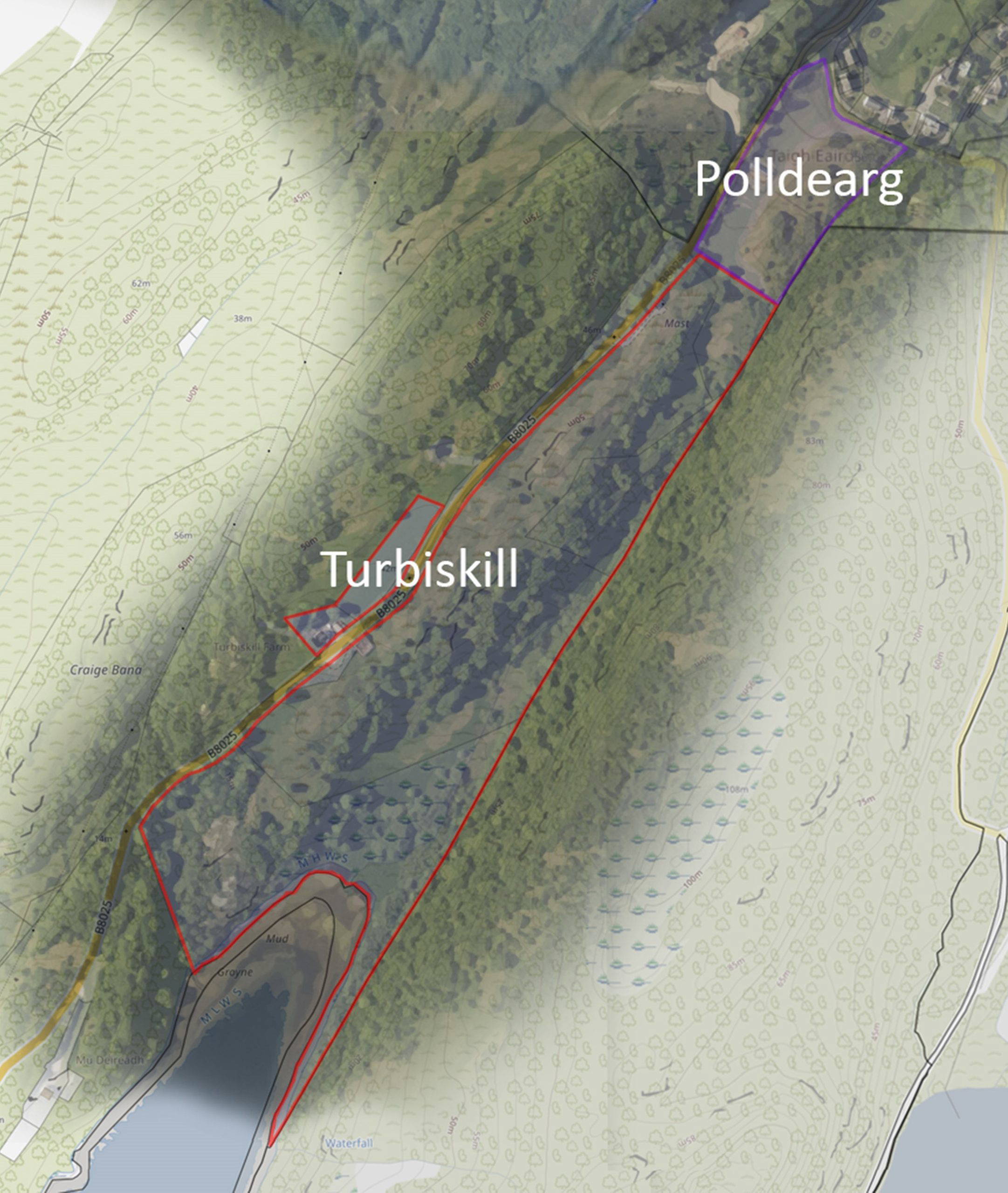
The Turbiskill land is the second largest block of land owned by the community, having been purchased thanks to an award from the Scottish Land Fund. Flanked by the Taynish National Nature Reserve along its south-east side, it forms a key wildlife corridor to the Tayvallich peninsula to the west. Similar in some ways but very different from Cnoc Leis in others, it has a diverse range of habitats including woodland and scrub, drier grassland and heath with juniper, a large dome of exposed rock, and a hidden valley mire with a burn. Even though it borders the public road on one side, it has few paths, even informal ones, and is the only piece of community land with a coastline, at the very head of the beautiful Linne Mhuirich. It sits almost entirely within the Linne Mhuirich Site of Special Scientific Interest (SSSI), and the Tayvallich Juniper and Coast Special Area of Conservation (SAC). The rich mosaic of habitats for which the SSSI is notified include fragments of upland mixed ash woodland, and species-rich calcareous grassland, fen meadow and saltmarsh.
Turbiskill Farmhouse & Paddock
Turbiskill Farmhouse and paddock sit just across the road from the Turbiskill land, a short walk south of Tayvallich. They are not within either of the nearby SSSIs. The paddock could be suited to a number of uses, including a continuation of its recent grazing management. Like the land opposite, their purchase was enabled through an award from the Scottish Land Fund.
Polldearg
Polldearg, a large field surrounding Taigh Eairdsidh, sits just along the road on the outskirts of Tayvallich. Polldearg means “red pool” in Gaelic, and Taigh Eairdsidh is named for Archie, the tenant farmer who previously lived there, having farmed on the Tayvallich Estate for many decades. This land and house was gifted to the community by the Marshall family, previous owners of Tayvallich Estate. It is not within SSSI-designated land, but borders Taynish National Nature Reserve. About half of the field is grassland where there are plans to build affordable homes, and the rest is woodland and scrub.
The Mary MacDougall Bequest
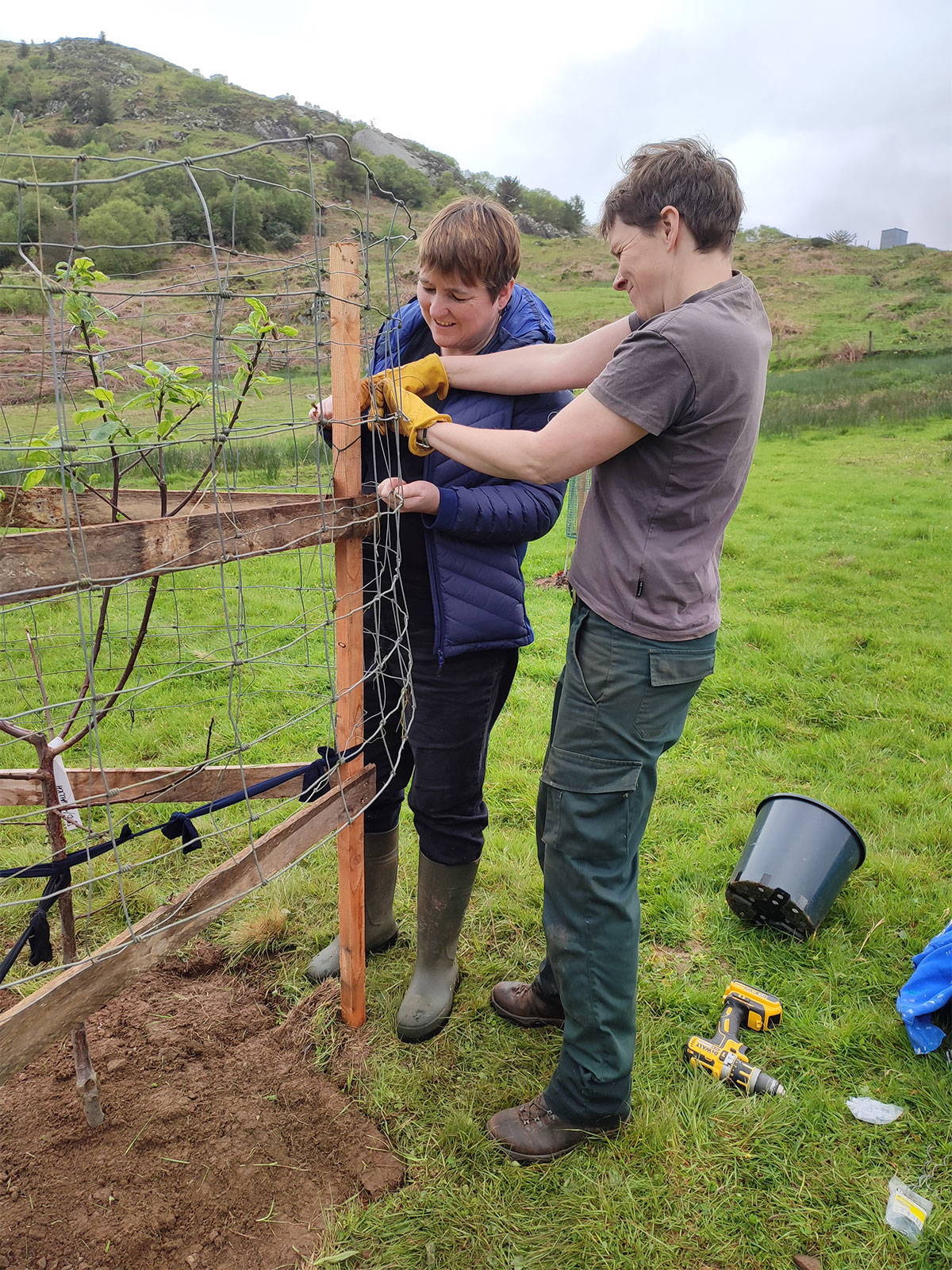
Last but not least, The Mary MacDougall Bequest is an irregularly-shaped area of grazing land that lies on the northern fringes of the village, named for the much-respected postie and admired gardener who lived and worked in Tayvallich all her life. She generously left the land to the community when she died, and, fittingly, part of Mary’s Land has already had an orchard planted in early 2024. There are plans to further use the land for a growing scheme over the coming years – made possible by a small army of volunteers. Other potential plans for the future include a tree and shrub nursery.
Our Progress so far
Getting to know the land
We have been undertaking some basic survey work using skilled volunteers within our community, collecting available existing information, having regular discussions with NatureScot, and developing conservation management plans.
Researching the potential for renewable energy
We have spent time researching the potential for using our land for renewable energy sources, which would provide a direct economic benefit to the community from community land ownership. More details on the renewables page of this website.
Community Growing on Mary’s Land
in 2024 a small orchard has been planted and protected from deer browsing; compost using vegetable peelings from the Tayvallich Inn is starting to work its magic ready for subeqeunt projects, and funds have been raised to purchase materials for raised beds, seating and shelter. An active group of keen volunteers has come together to make it all happen. You can find out more about the Community Growing here.
Access and Inclusion project
Our Access and Inclusion project funded by Esmée Fairbairn Foundation, long in the planning, got underway in June 2024 and in doing so launched our Ranger Service. This is initially a two-year project that will enable TI to continue to build a community-focused and collaborative approach to improving the species and habitat health of our land, embedding community ownership and understanding in the process. As a key part of the project, we recruited two part-time rangers to help connect as wide a range of local people as possible with the land and all the benefits it can offer, and engage them in a range of land-focused events and activities. The Ranger Service has a programme of events and activities all year round. You can find more about the service here.
Rhododendrons
One of the major threats to biodiversity and sensitive habitats in Mid Argyll is a vigorous and highly invasive non-native shrub – a species of rhododendron called Rhododendron ponticum which eventually shades and starves out almost all other vegetation wherever it spreads. We have a lot of this rhodendron on our land – in wooded and more open areas. Tayvallich has been very fortunate to be within an area earmarked for a major rhododendron control programme led by Argyll and the Isles Coast and Countryside Trust (ACT) with funding from the Nature Restoration Fund. TI is fully supportive and very excited to be part of this project, which began work in September 2024.
Deer and Scotland’s rainforest
Unlike Rhododendron ponticum, deer are a natural part of Scottish ecosystems but their numbers have exploded in the absence of predators, preventing woodlands from regenerating and thriving. TI has joined a group of like-minded organisations and landowners called the Knapdale/Tayvallich Rainforest Management forum which is planning to safely reduce deer numbers based on the latest evidence and methods.
Making connections
Making connections within our community through meetings, ranger events and updates. Working with neighbouring landowners, local farmers and grazers. Working with other local community groups, and with organisations that have similar aims.